News |
Dagbe-Neva cooperative distributes first profits in Togo
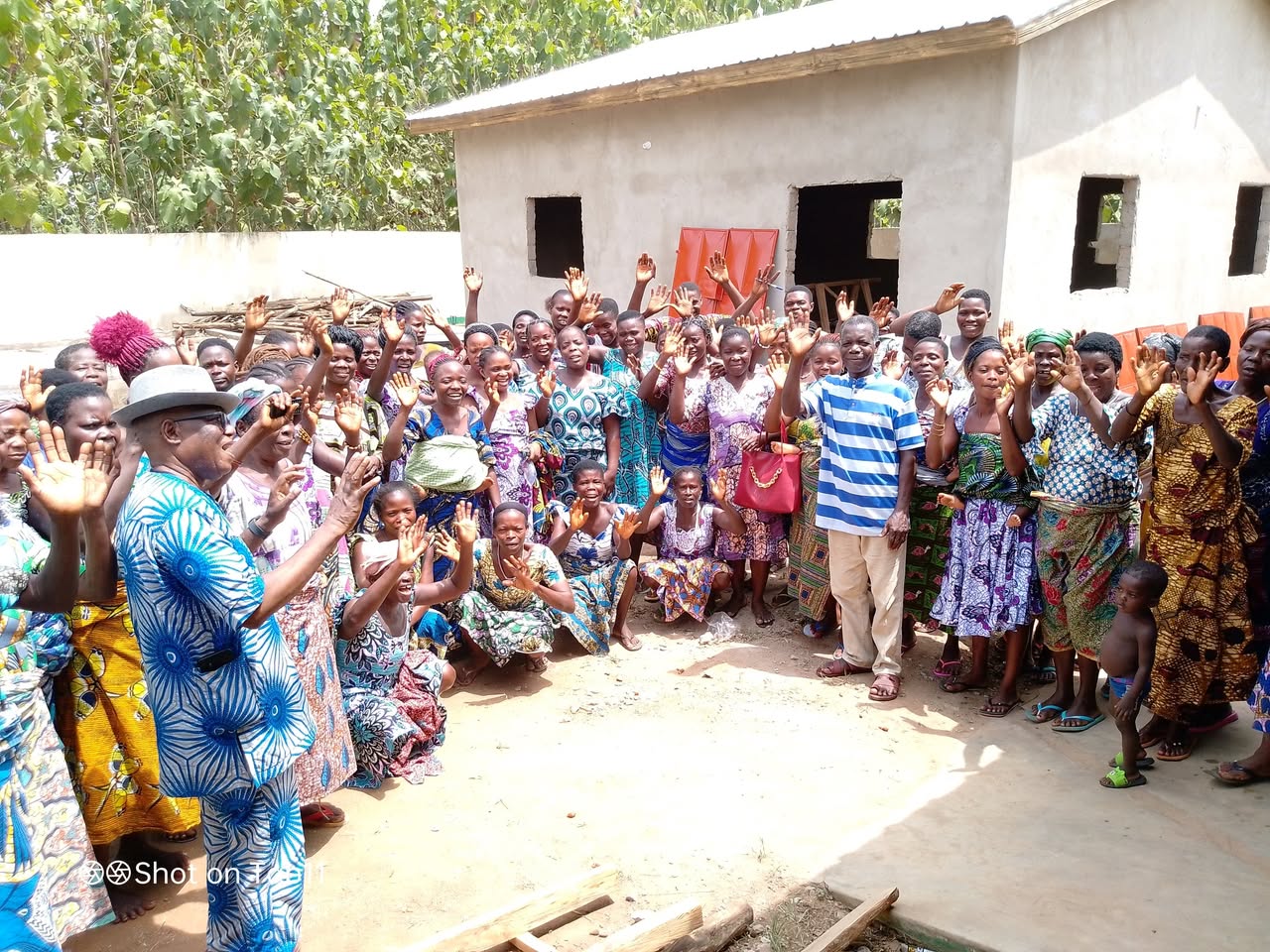
MOMÉ-KATIHOÉ, Togo – On February 24, 2026, the 75 members of the Dagbe-Neva women’s cooperative gathered in their new, WACA-funded facility to celebrate a major milestone: the distribution of their first collective profits.
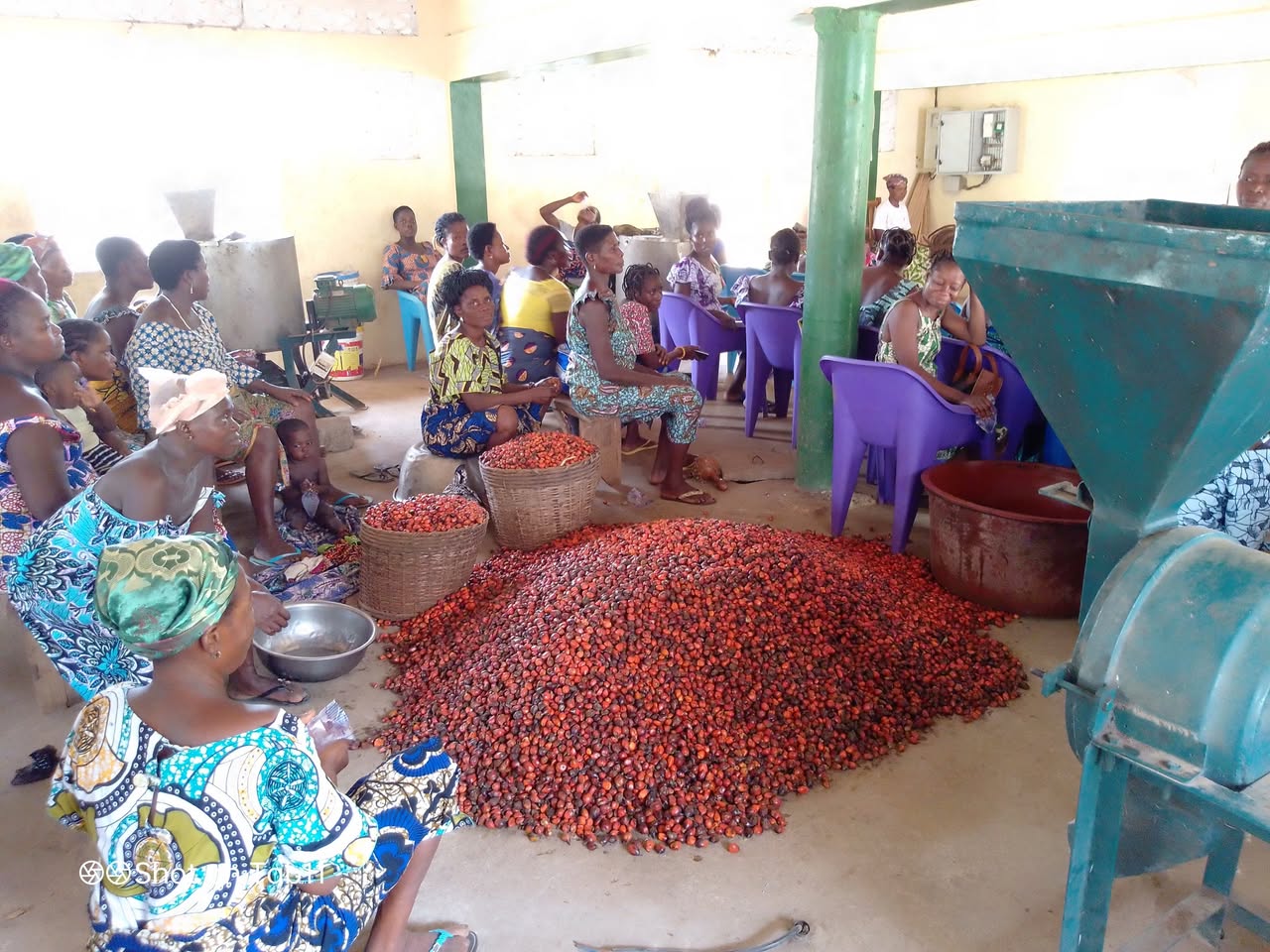
Specializing in the production of palm oil within the "Support to Women Transforming Palm Nuts" sub-project, the group—based in the Momé-Katihoé district of the Vo prefecture—has successfully transitioned from individual labor to a structured, income-generating business.
A Model of Self-Reliance and Technical Support
The cooperative began with with each member contributing 10,000 FCFA as start-up capital for raw materials. Recognizing this initiative, the West Africa Coastal Areas Resilience Investment Program (WACA) provided the essential production equipment and infrastructure needed to scale operations and increase efficiency.
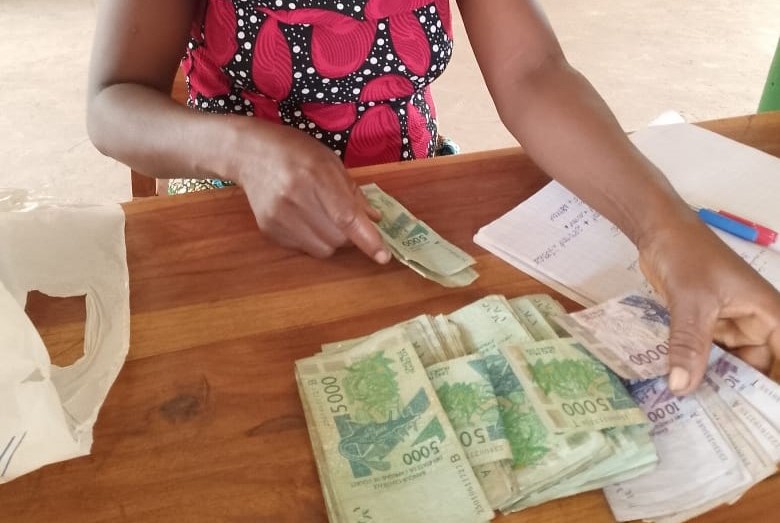
In just two seasons, the cooperative generated 892,170 FCFA in revenue. Under the guidance of their technical advisor, Mr. Folly Djiwonou, these funds were allocated according to the group's formal statutes to ensure both immediate benefit and long-term growth:
- 60% (Dividends): Distributed directly to members as reimbursements.
- 20% (Legal Reserve): Retained to ensure the cooperative's financial health.
- 20% (Capacity Building): Dedicated to ongoing training and skill development.
Measurable Results and Individual Growth
For the women of Dagbe-Neva, the individual payout of 7,000 FCFA represents a tangible return on investment and a catalyst for further entrepreneurship.
"I'm glad I cashed in that money," said Mrs. Amewou Adjowa, one of the beneficiaries. "It will serve me to grow my small individual business and I will continue to work in the cooperative. My wish is to have more revenue this year."
Ensuring Long-Term Sustainability
The cooperative’s financial management points toward a future that extends well beyond the initial project phase. With over one million FCFA currently managed through microfinance accounts, the organization is structured for "perennialization"—ensuring the activity remains a permanent fixture of the local economy even after the WACA project concludes.