News |
WACA+: Protecting coastlines and creating sustainable jobs in West Africa
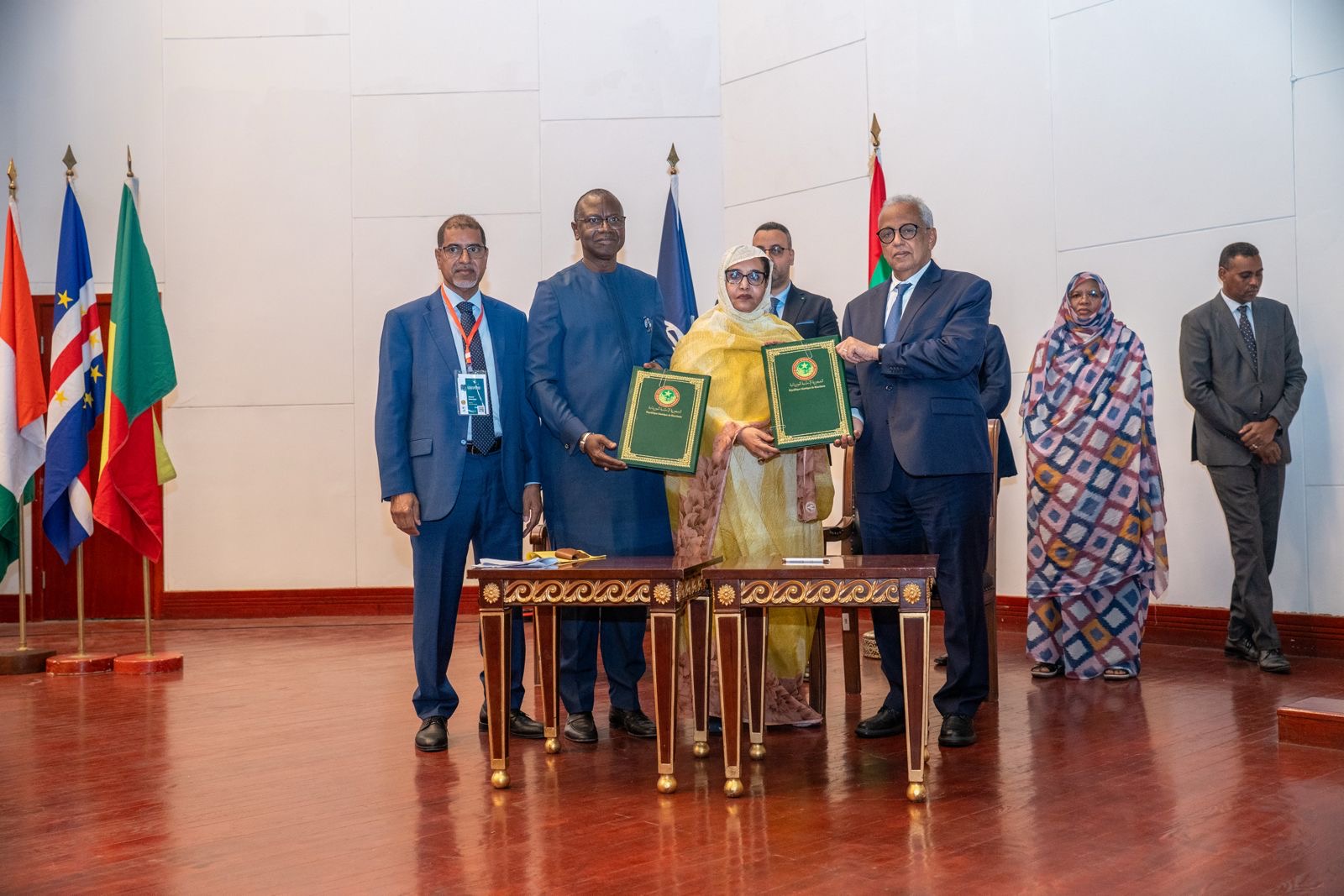
On April 28, 2026, at the 12th PRCM Regional Marine and Coastal Forum (FOMACO 2026) in Nouakchott, Mauritania, the World Bank Group officially launched WACA+ — the next phase of the West Africa Coastal Areas Management Program. Announced before more than 400 stakeholders including governments, regional institutions, and international financial partners, the launch marks a turning point for coastal resilience across West and Central Africa.
With a total financing of $240 million for its first phase in Benin and Mauritania, WACA+ builds on eight years of results across nine countries — scaling what works and deepening the ambition for the communities on the frontlines of climate change.
“WACA+ is a truly regional platform that strengthens cooperation among countries, supports the harmonization of public policies, and mobilizes shared expertise to protect coastal communities and create sustainable jobs. By investing in coastal resilience and the blue economy, the program is unlocking significant economic opportunities for West Africa’s most vulnerable coastal communities.”
Ibou Diouf — World Bank Group Country Manager, Mauritania
| $240M Total financing — Phase 1 Covering Benin and Mauritania, accelerating climate adaptation and coastal protection | 530,000 People better protected From coastal erosion, flooding, and sea-level rise — starting with Nouakchott | 13,000 Jobs to be created In fisheries, aquaculture, tourism, logistics, and coastal restoration — with a focus on women and youth |
Safeguarding Coasts, Driving Jobs: WACA+ to Protect 530,000 People and Catalyze 13,000 Blue Economy Jobs
The World Bank Group has approved the launch of the first phase of the WACA+ program, with a total financing of $240 million, aimed at strengthening coastal resilience and developing the blue economy in West Africa.
Initially implemented in Benin and Mauritania, the program addresses the interconnected challenges of coastal erosion, flooding, and economic development in coastal areas.
Delivering tangible impacts for coastal communities
530,000 people protected from coastal risks (erosion and flooding)
13,000 jobs created in blue economy sectors (fisheries, aquaculture, tourism, logistics, ecosystem restoration)
The program will also improve livelihoods for local communities, with a strong focus on women and youth, who are at the center of the interventions.
Integrated investments for resilience and growth
WACA+ combines key structural interventions:
- Protection of critical infrastructure and economic zones
- Restoration of coastal ecosystems, including up to 3,000 hectares of mangroves and wetlands
- Strengthening national capacities in coastal management
- Direct support to the private sector (SMEs, cooperatives, local entrepreneurs)
Innovative mechanisms such as blended finance and credit guarantees will help mobilize additional private investment in blue economy value chains.
A regional approach to transboundary challenges
Given that coastal dynamics transcend national borders, WACA+ promotes regional cooperation by harmonizing policies and facilitating knowledge sharing among countries.
The program builds on the achievements of WACA, with an enhanced ambition: to sustainably protect coastlines while driving economic growth and job creation across the region.
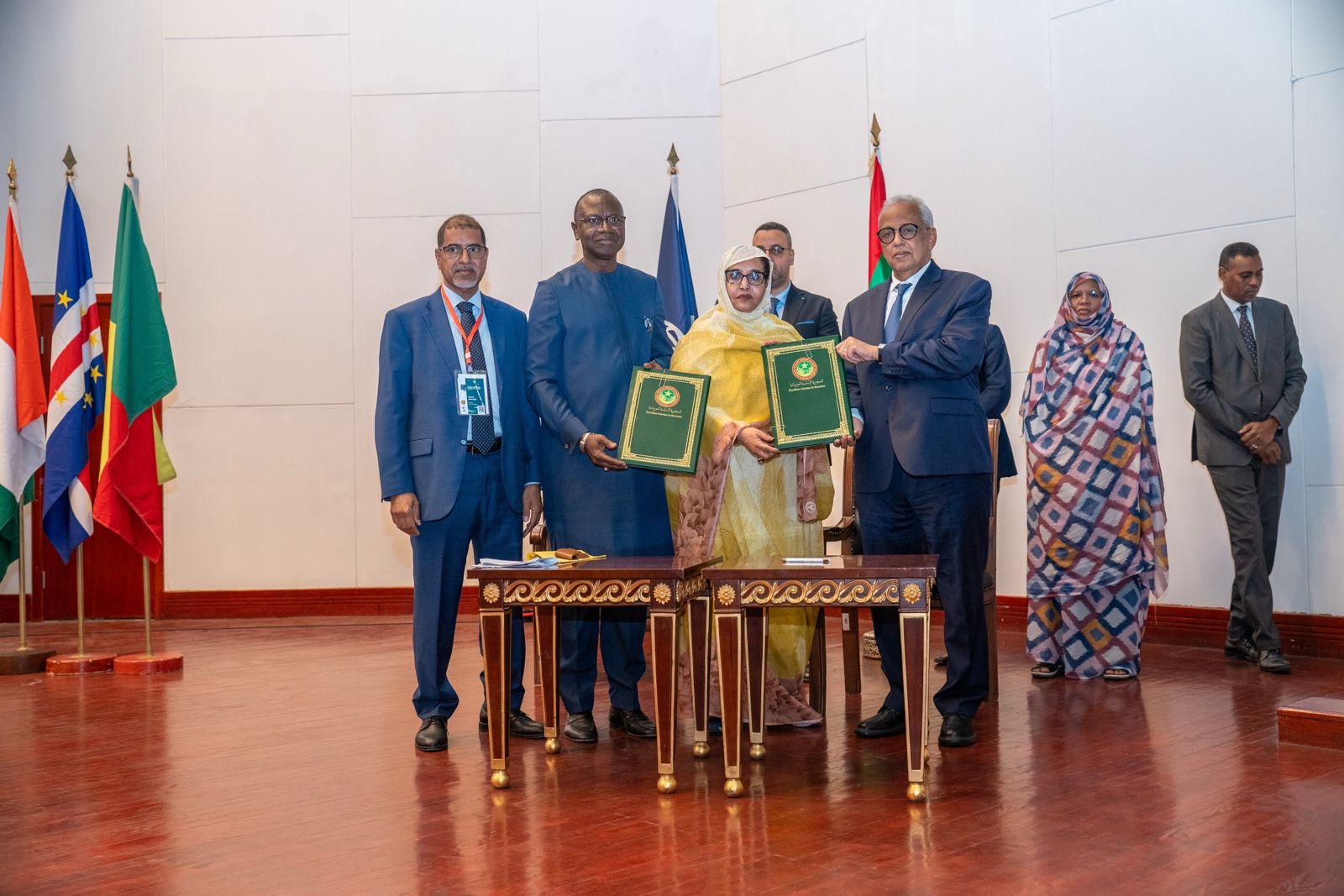
The official signing of WACA+ at FOMACO 2026, Nouakchott, April 28, 2026.
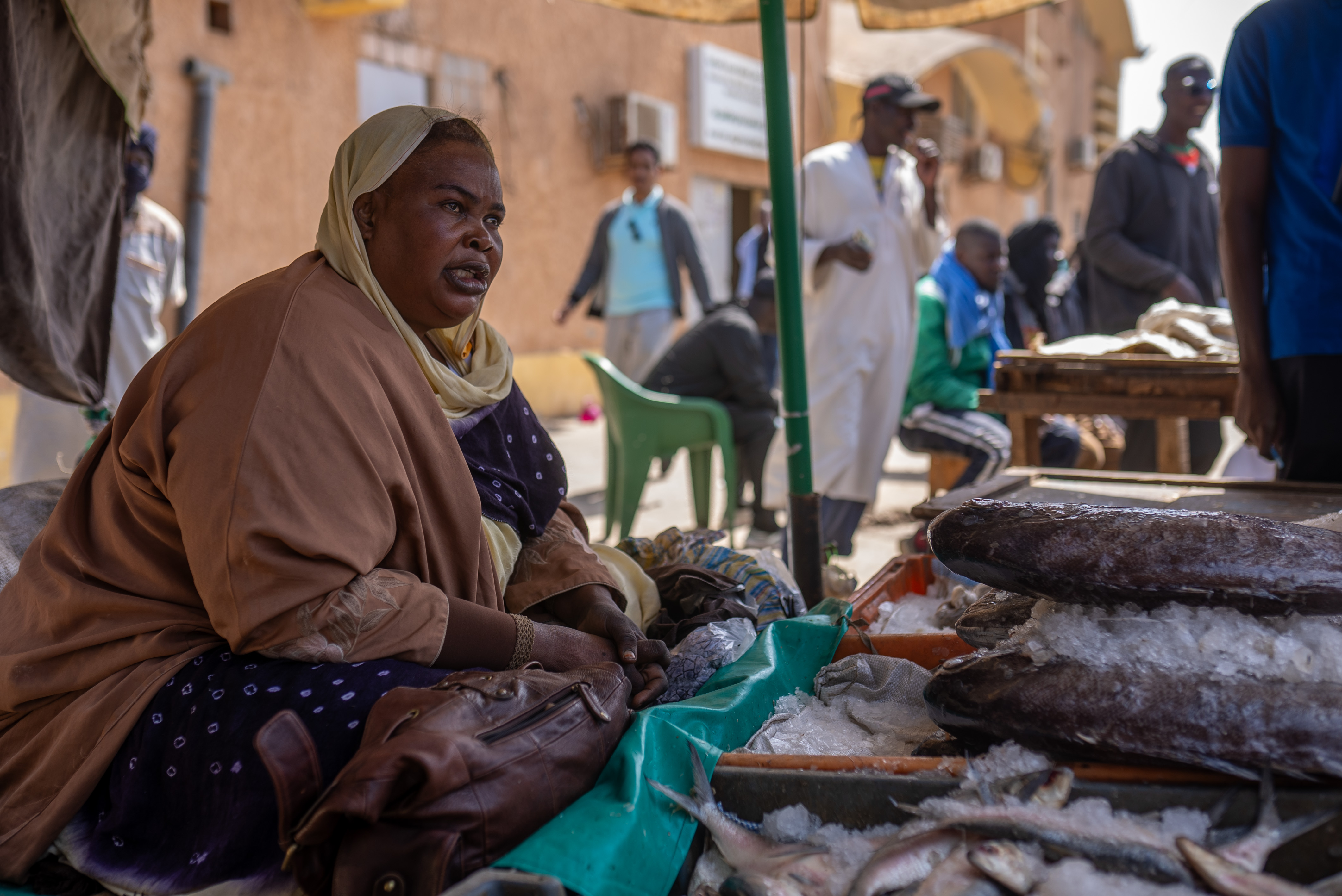
A vendor at the Nouakchott fish market — the blue economy at the heart of coastal communities.
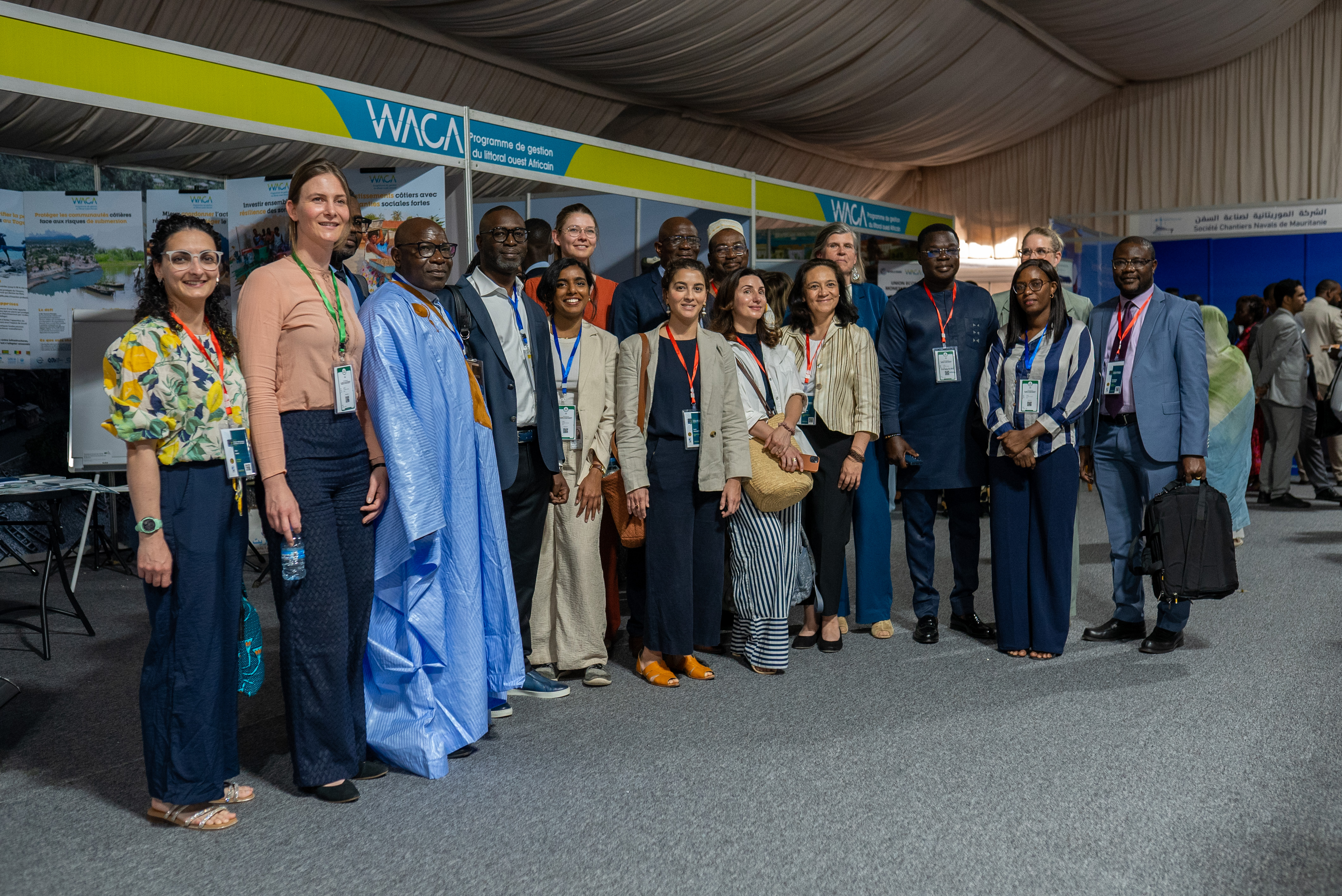
Field visit to a coastal site in Mauritania — WACA's work on the ground.