Sort By: Newest Post
-
Publication
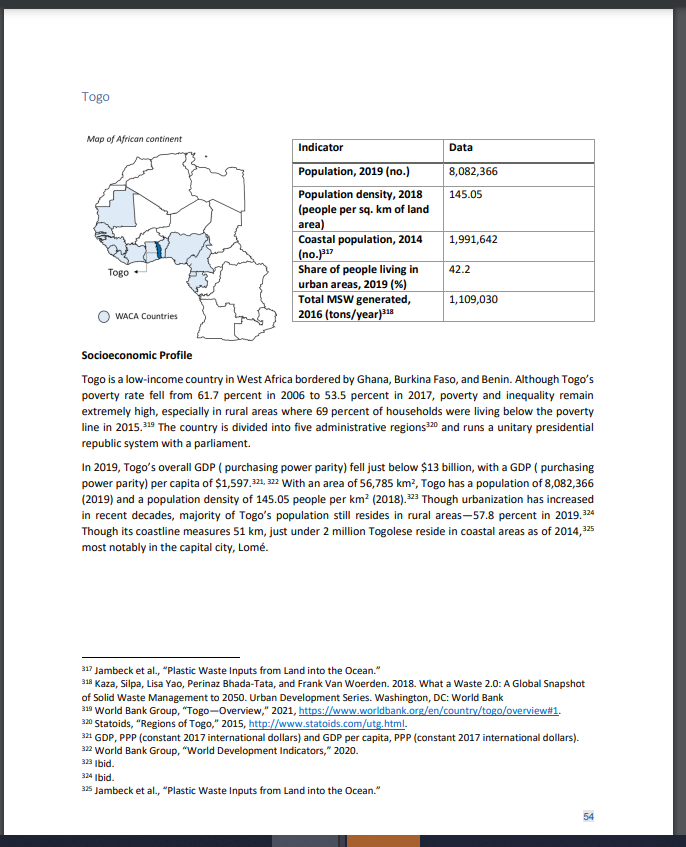
Togo plastic country brief
Author: World Bank
Togo is a low-income country in West Africa bordered by Ghana, Burkina Faso, and Benin. Although Togo’s poverty rate fell from 61.7 percent in 2006 to 53.5 percent in 2017, poverty and inequality remain extremely high, especially in rural areas where 69 percent of households were living below the poverty line in 2015. The country is divided into five administrative regions and runs a unitary presidential republic system with a parliament.
-
Video
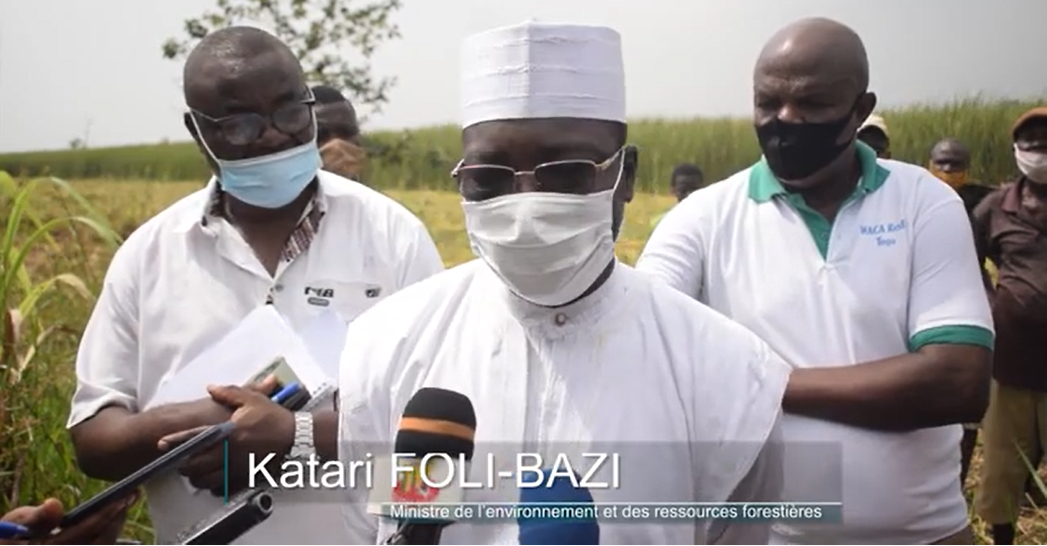
Ministerial Visit in Support of WACA Resip Actions
Author: WACA Program
On December 31, 2020, a field visit by the Minister of Environment and Forest Resources, Mr. FOLI-BAZI Katari, and his counterpart, the Minister of Maritime Economy, Fisheries and Coastal Protection, Mr. TENGUE Edem Kokou, allowed them to get acquainted with the realities of the people living in the coastal areas.
-
Infographic
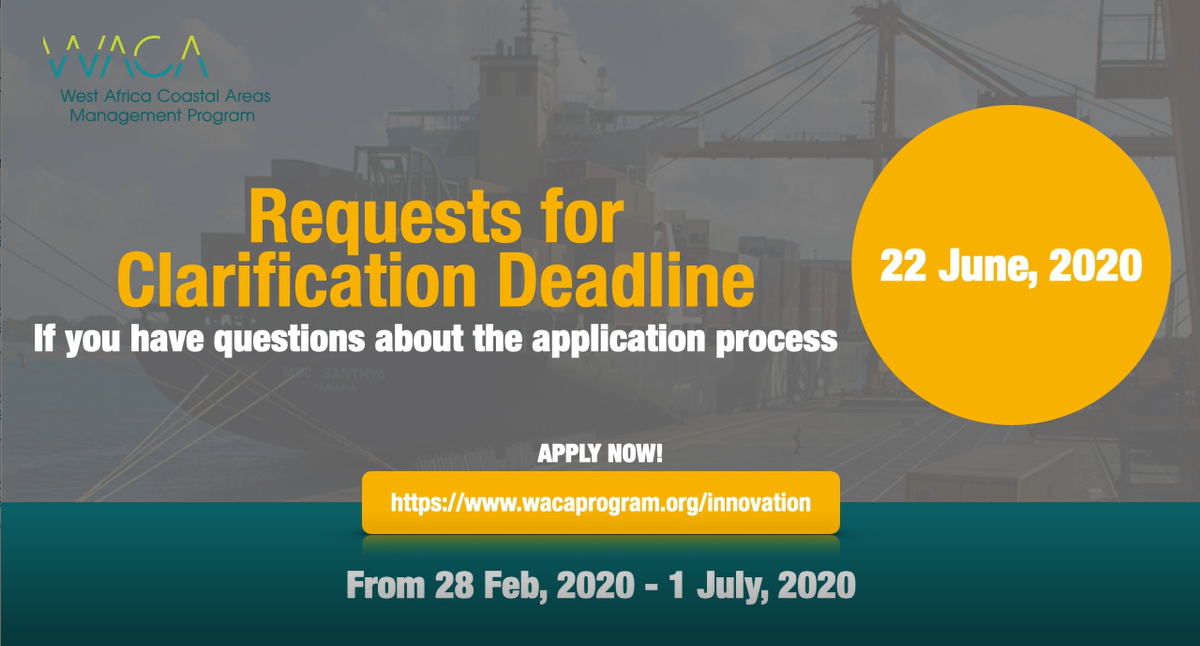
WACA News/ Call For Innovation
A summary of different activities and initiatives from WACA and partners.
-
WACA News/ April 2020
A summary of different activities and initiatives from WACA and partners.
-
Infographic
WACA News/ March 2020
A summary of different activities and initiatives from WACA and partners.
-
Infographic
WACA News/ January 2020
Author: WACA Program
A summary of different activities and initiatives from WACA and partners.
-
Brochure
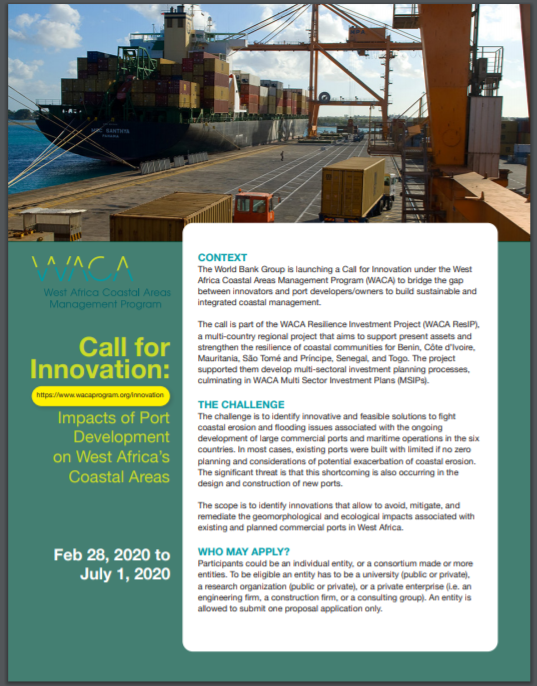
Call for Innovation
The World Bank Group is launching a Call for Innovation under the West Africa Coastal Areas Management Program (WACA) to bridge the gap between innovators and port developers/owners to build sustainable and
integrated coastal management. -
WACA News | October 2017
Author: West Africa Coastal Areas Management Program (WACA)
A summary of different activities and initiatives from WACA and partners.
-
WACA News | December 2017
Author: West Africa Coastal Areas Management Program (WACA)
A summary of different activities and initiatives from WACA and partners.
-
WACA News | December 2016
Author: West Africa Coastal Areas Management Program (WACA)
A summary of different activities and initiatives from WACA and partners.
-
WACA News | June 2019
Author: West Africa Coastal Areas Management Program (WACA)
A summary of different activities and initiatives from WACA and partners.
-
WACA News | October 2019
Author: West Africa Coastal Areas Management Program (WACA)
A summary of different activities and initiatives from WACA and partners.
-
Video
Erosion, floods and pollution are costly to West Africa
Author: West Africa Coastal Areas Management Program (WACA)
Madji (left) spent her childhood on the beaches of Bargny Guedj, Senegal, but her grandfather's house where she stayed as a child no longer exists today, carried away by the waves.Thousands of people living along the coasts of West Africa share the same story as Madji. Beyond the shattered lives, this harsh consequence of erosion, pollution and floods is very expensive in Benin, Côte d'Ivoire, Senegal and Togo.
-
Video
Professor Ove Hoegh-Guldberg: The Dire Threat of Climate Change
Author: West Africa Coastal Areas Management Program (WACA)
Climate Change and Ocean Systems specialist, Professor Ove Hoegh-Gulderg, conveys his regret for being unable to attend the Blue Economy Conference in Mauritius. He emphasizes the important of urgent global action on climate change and ocean conservation to prevent a disastrous loss of ocean habit that will have very damaging consequences to people and the environment. The ocean is essential for life on earth, and supports millions of species and billions of people.
-
Living on the Edge: Dovi’s Story
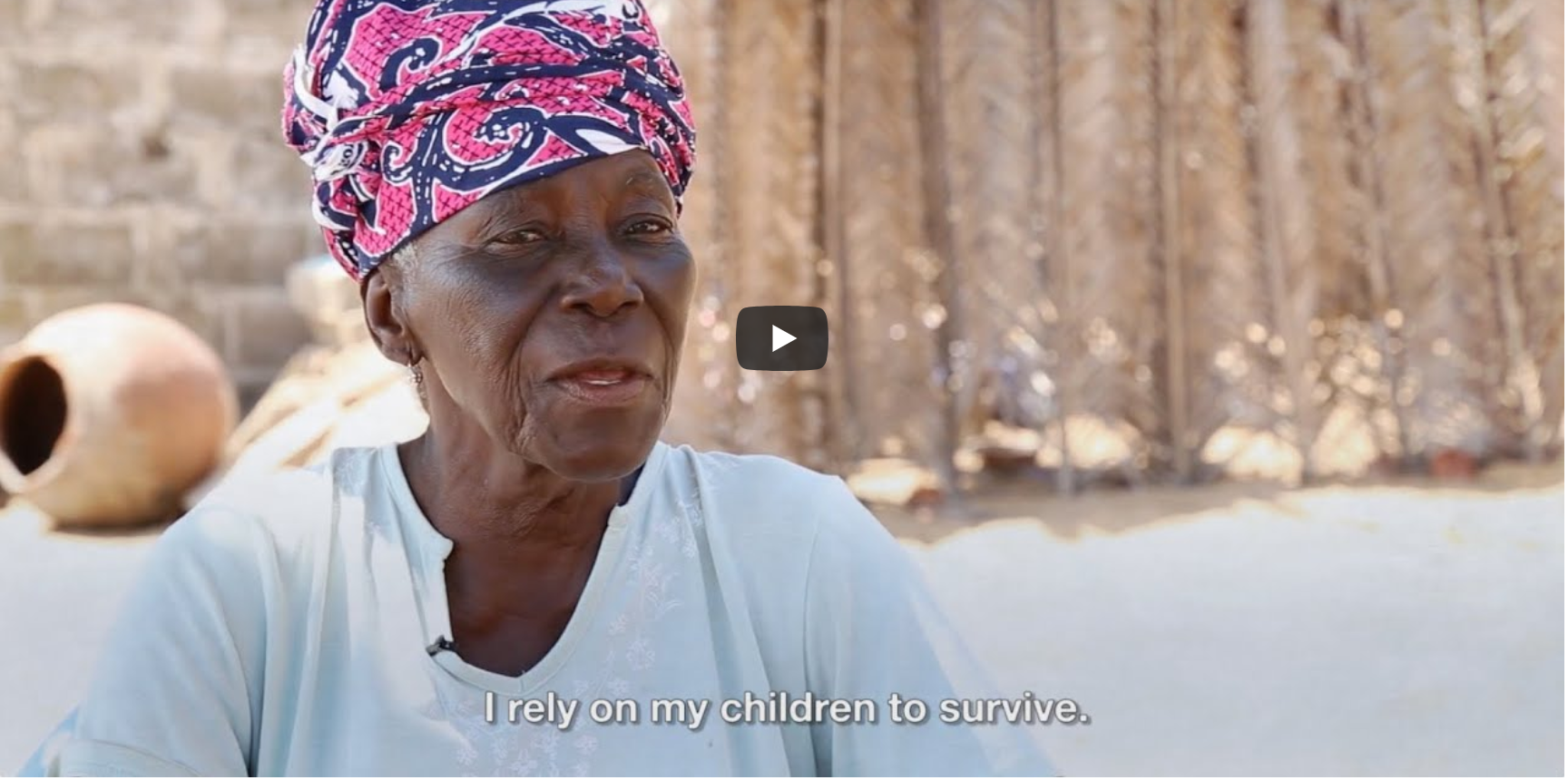
Author: West Africa Coastal Areas Management Program (WACA)
Dovi Woollens has lived along the coast of Baguida, Togo for her entire life. She makes her living from the sea, by selling fish and seafood in her local community. In recent years, Dovi has struggled to make ends meet because fish are no longer as plentiful, and it’s harder to have a good catch. All along the coast of West Africa, fishermen and women like Dovi face similar threats to their livelihood. They are on the frontlines of climate change, coastal erosion and pollution.